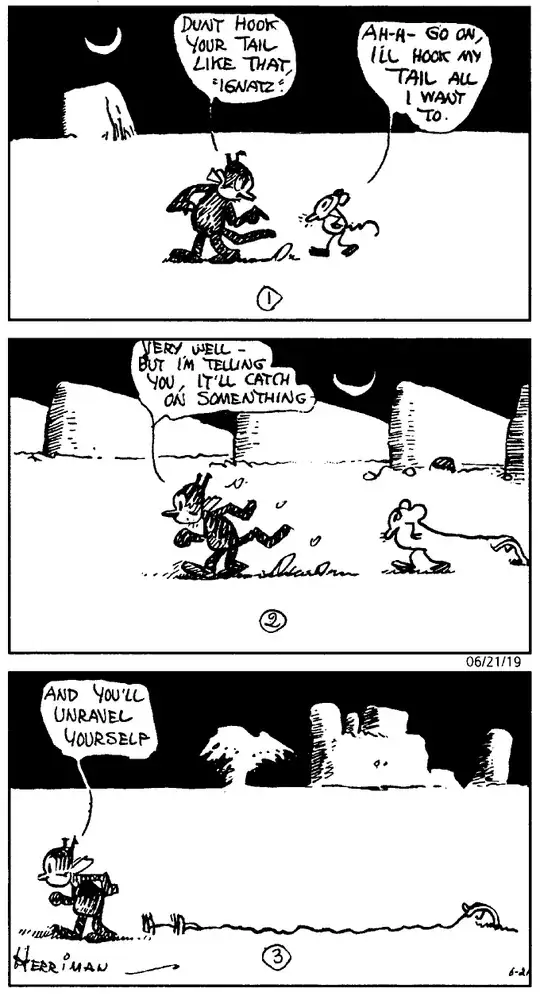
Other media don't have such qualms to break the forth wall. It's quite common in contemporary theatre, much of which is based on heavy audience involvement, and in plays such as Peter Handke's 1966 Offending the Audience there is no fourth wall at all. Many contemporary movies love to play with the fourth wall (compilation on Youtube), especially parodies (Mel Brooks). Comic books have been experimenting with the fourth wall since George Herriman's Krazy Kat; here is a forum thread collecting more recent examples, such as She-Hulk arguing with her writers, when they have put her in a situation that she thinks unrealistic. Google will find you a sheer endless series of examples from all over genres and media.
Certain genres of written fiction are somewhat obsessed with maintaining the illusion of not being fictitious, especially those, like Science Fiction and Fantasy, that rely very heavily on a suspension of disbelief, so they painstakingly avoid any reference to the fourth wall. Having a character in a medieval setting love to read to escape from their unappy fictional reality was a no-go for a long time in escapist fiction. But a bit back in history, it was quite common that the narrator addressed his "Dear Reader!", as Dickens did, and certain contemporary genres are much influenced by post-modern theory and writing and are written more with tongue in cheek and involving the reader in the metadiscourse.
If you "abused", as you say, the fourth wall in your writing, that would not be exceptional in fiction today at all, and you would stand in a long and eminent tradition. On the contrary, I rather see a danger of "breaking the fourth wall" becoming overused and cliché. So be careful and don't oversalt your meal.