23

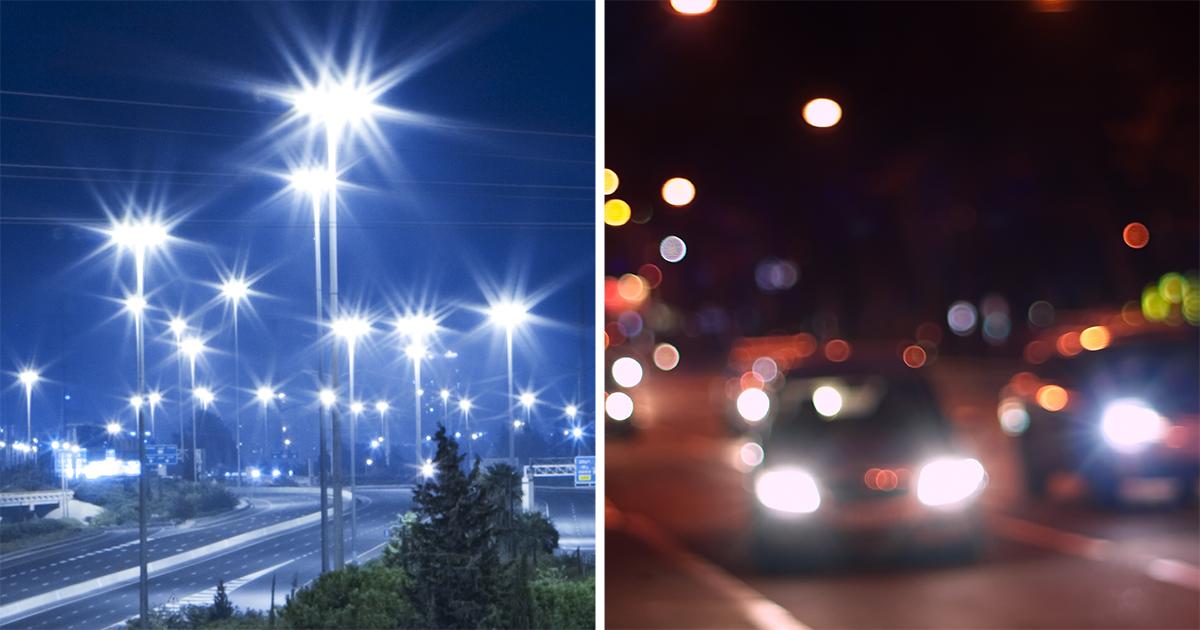
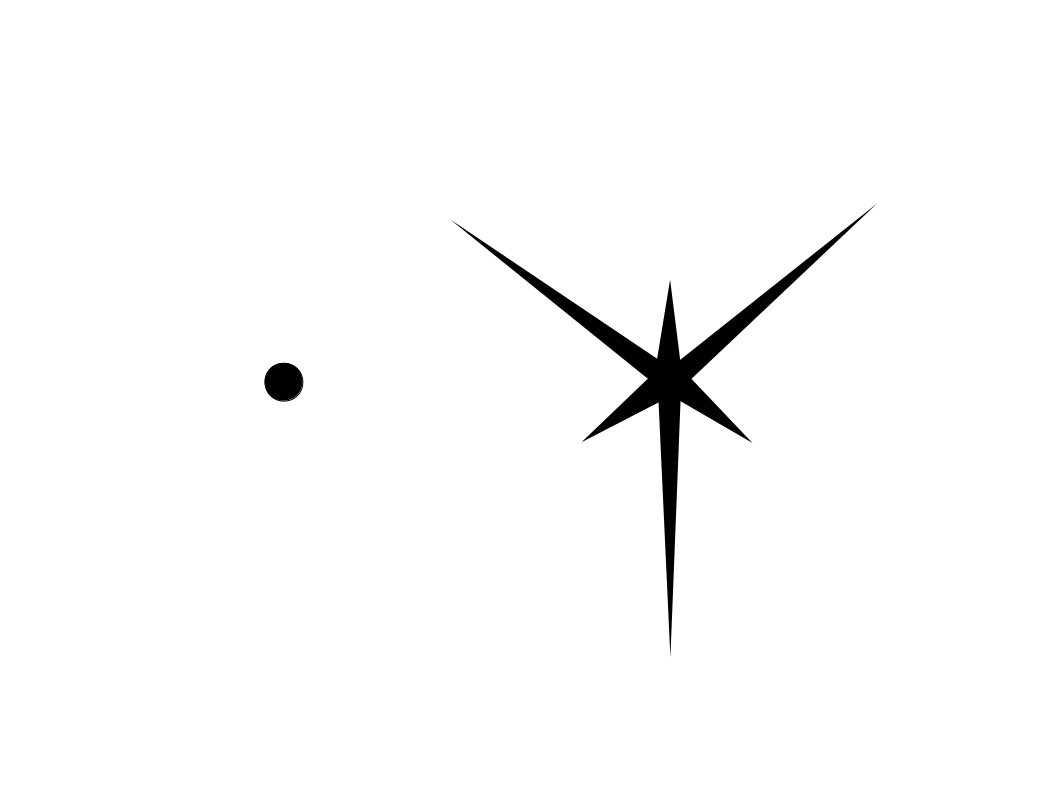
In the night, when I look at a distant light source (for example a street lamp a few hundred meters away) I do not simply see a spot but rather a spot which is surrounded by 'light beams'.

So instead of seeing the image on the left-hand side of the picture below I see the one on the right-hand side.
enter image description here

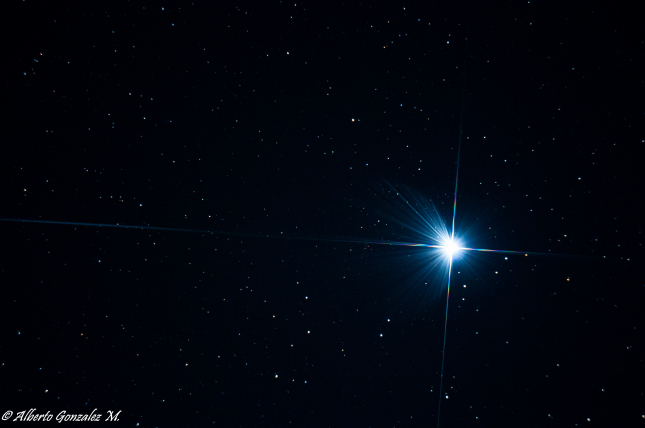
I know a similar effect also comes up by using camera lenses, even though I am not sure if the reason is exactly the same. Below, for example, is a picture with four 'beams' (Source: https://astromallorca.org/astrofotografias/dsc_0015/).
enter image description here

So, why do I see with my own eyes three beams whereas with a camera there appear to be more?

Qmechanic
  • 220,844
Tho Re
  • 389

3 Answers3

20

From physical point of view:

  • One reason is diffraction spike by the mounts (support vanes) of optical reflector of reflecting telescope. Four-fold mounts give four-fold diffraction pattern. However, three-fold mounts give six-fold diffraction pattern since we can see intensity but not the phase of the diffraction pattern. This can be reduced by other design.

  • Photographers can add star effect filters (which contains etched gridlines) on their cameras for shooting Christmas lights and so on.

    enter image description here

From medical point of view:

  • Another reason may be due to astigmatism, glare or starbursting of someone's eye.

    enter image description here

  • See the link for the image here and vision simulations here and the causes of starbursting appears in this site.

Ng Chung Tak
  • 1,412
5

Thanks to agweber's comment which pointed me this Youtube video, I found the right solution: The cause of this effect are the so called suture lines.

A sketch of the lens and these lines can be found here.

Another image plus an additional video is on this webpage (Better watch it only if you can stand medical pictures / videos)

There one can really see the Y-shaped suture lines. On that site, they also state that:

... sutures form because of how the lens epithelial cells proliferate during formation.

So, the effect is absolutely normal, and no deseases or abnormal defects are responsible for it.

Tho Re
  • 389
0

It depends on someone's eyes. Astigmatic myopes, that is, people with both near-sightedness and astigmatism, have the highest "beaming" effect when they see lights in the distance, as the cornea is of the wrong orientation. In many cases, windshields and eyeglass lenses can cause this effect, or amplify it. Air can also cause light to be retracted in such a way as to make the lights appear to have pointed rays.