There is no way Galileo or Simon Marius would have been able to observe the tidal locking of any of Jupiter's moons, as they just appeared as faint stars through their telescopes. In fact both Galileo in his Sidereus Nuncius and Marius in his Mundus Iovialis admit they first mistook the first three Galilean moons for fixed stars, and only later realized they were orbiting Jupiter.
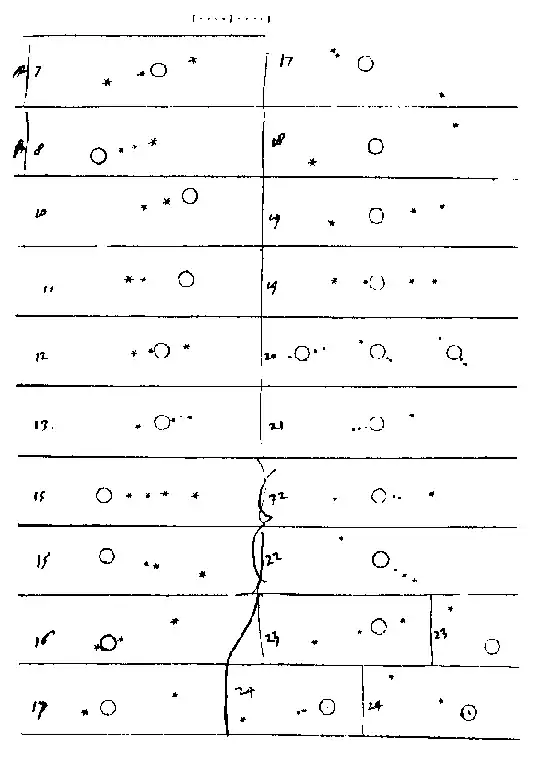
Even after realizing that they were moving celestial bodies, they both kept referring to them as 'stars' (latin sidera), and representing them as asterisks (as customary for stars) in their sketches. See for example these sketches by Galileo:
and Marius's frontispiece from Mundus Iovialis:
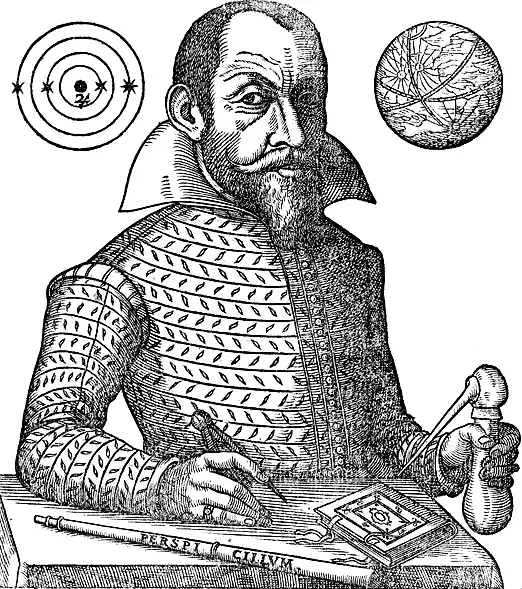
In Mundus Iovialis, Marius proposes the mythological names of Io, Europa, Callisto and Ganymede on account of the first three having been courted by Jupiter, and the last one having been kidnapped by the god. He makes no mention of tidal locking and, actually, in the following page of the book credits Kepler for originally suggesting the names. See Jay M. Pasachoff's article Simon Marius’s Mundus Iovialis: 400th Anniversary in Galileo’s Shadow for more on this.
As a final comment, the name Callisto comes from the superlative of kalós 'beautiful' (related to kállos 'beauty') that is, 'most-beautiful', with no direct reference to physique. Words like 'calisthenics' also come from Ancient Greek kállos (in this case kállos + sthénos 'strength'), but independently from Callisto, with whom they just share a common root.


