15

My question is based on a real-life incident that is making the rounds recently.

One YouTuber ("iilluminaughtii", real name Blair) sued (or threatened to sue) another YouTuber ("LegalEagle", real name Devin) for plagiarism, because one of Devin's video editors asked one of Blair's video editors how they had achieved a visual effect in some video. Here is one example Blair cited on Twitter:
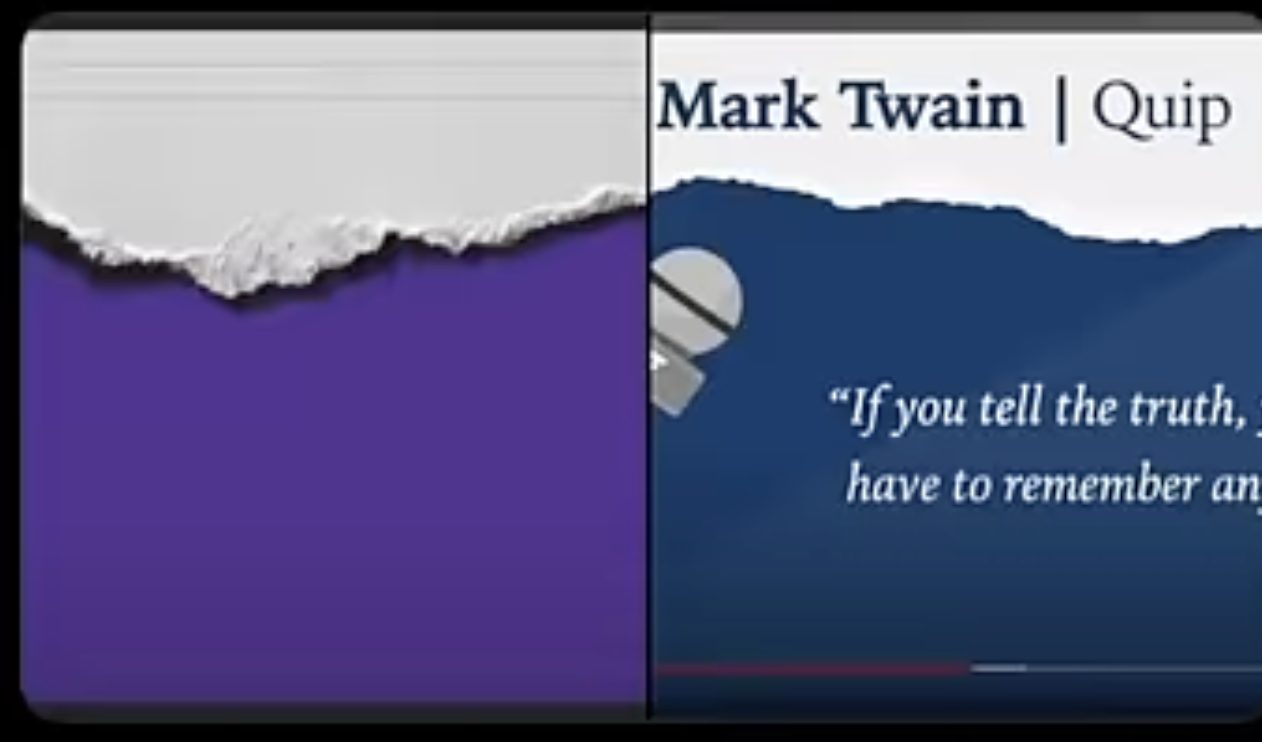
Two side-by-side examples of a torn-paper effect

Both YouTubers have occasionally used this "torn paper" effect when presenting written material in their videos.

This specific incident seems spurious because there's a huge amount of prior art exactly like this that predates Blair's entire career, but it's also my instinct that even if that weren't the case, this kind of thing would not be plagiarism.

I want to consider a more focused hypothetical case: Alice publishes a video with a totally novel visual effect. Bob sees Alice's published work, is impressed, and also has a fitting use for the effect. (A real-world case might be "bullet time" from The Matrix, which later showed up in a several other movies.)

Is it plagiarism if one of Bob's staff asks one of Alice's staff how they did the effect, and the staff member explains how they did it, and then Bob uses it in a new work that has no other similarities to Alice's work?

Is the answer different if Bob's staff reverse-engineers the effect instead of asking them?

My gut tells me we're crossing a line between different kinds of intellectual property, perhaps from copyright into letters patent, and there are some kinds of thing that simply aren't protected by any kind of IP law, but I would like to know the truth.

Tom
  • 998
  • 2
  • 10
  • 19

3 Answers3

42

First, plagiarism is taking claiming some intellectual work as your own without giving proper attribution (there are other optional social rules regarding plagiarism which we don't need to get into). Plagiarism is not prohibited by law, just by your teacher or publisher. Copyrights, patents and trademarks are completely different and do involve law (ergo possible lawsuits).

Applied to a special effect in a movie, e.g. a voice of video effect, the technique for producing the effect could be protected by a patent, if the inventor had obtained a patent. Reverse engineering is irrelevant, because the specifics of how-to are publicly known, so that you can know "I can't do it this way". If a method is patented, you cannot use the method without permission. Creating a similar effect using a different method is not patent infringement. Creating a visual or audio effect that only has "the same vague idea" is not copyright infringement, but copying the actual sound of video clips is copyright infringement. In short: plagiarism is legally irrelevant. Copyright and patent infringement are pretty specific and completely different things.

user6726
  • 217,973
  • 11
  • 354
  • 589
19

Plagiarism is not a legal issue

Plagiarism is a type of academic misconduct where a person passes off another persons work as their own or uses another’s work without appropriate citation. It is not a type of wrong that the law recognizes.

It is a matter for universities and colleges, not the courts.

Dale M
  • 237,717
  • 18
  • 273
  • 546
1

Others have explained that plagiarism is a technical term in academia.

With regard to the example, however, I'd like to point out that even in an academic context, plagiarism is likely not applicable here:

Alice's staff teaches Bob's staff how to produce that visual effect. Alice's staff then goes on an applies the learned procedure to their [Alice's group's] own work. This is not plagiarism, this is teaching and learning as academia supposed it to happen.

Plagiarism would come into play iff Alice's staff claimed that they invented/discovered/developed the procedure themselves (or in an academic publication omitted to mention Bob's staff as the source of knowledge they used since that would amount to the claim of having invented/discovered/developed it themselves).

But neither working according to that new procedure/technique, nor the product of that is plagiarized.


Of course, Alice may sue their staff for revealing confidential information/business secrets, depending on the terms of their contract.

cbeleites
  • 1,762
  • 12
  • 12